La Batalla de l’Ebre als fogons

RESTAURANT MIRAVALL, BATEA

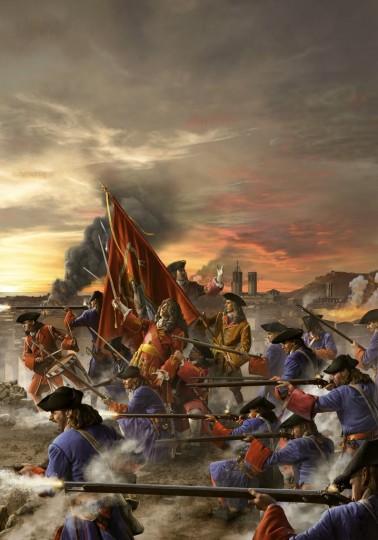
“[…] que mengin llenties, com nosaltres. Em surten per les orelles. Putes llenties”. Aquestes paraules em van recordar a mon iaio que, pel que m’han explicat, va avorrir les llenties durat la Guerra Civil després de passar pel front d’Aragó. La frase és un fragment del conte La comuna de París de l’escriptora Míriam Cano, que tot just acaba de publicar La Breu; una conversa que recrea les cabòries de dos brigadistes desganats a punt de creuar l’Ebre per Campredó, el juliol de 1938, en una de les maniobres més mortíferes de la guerra.

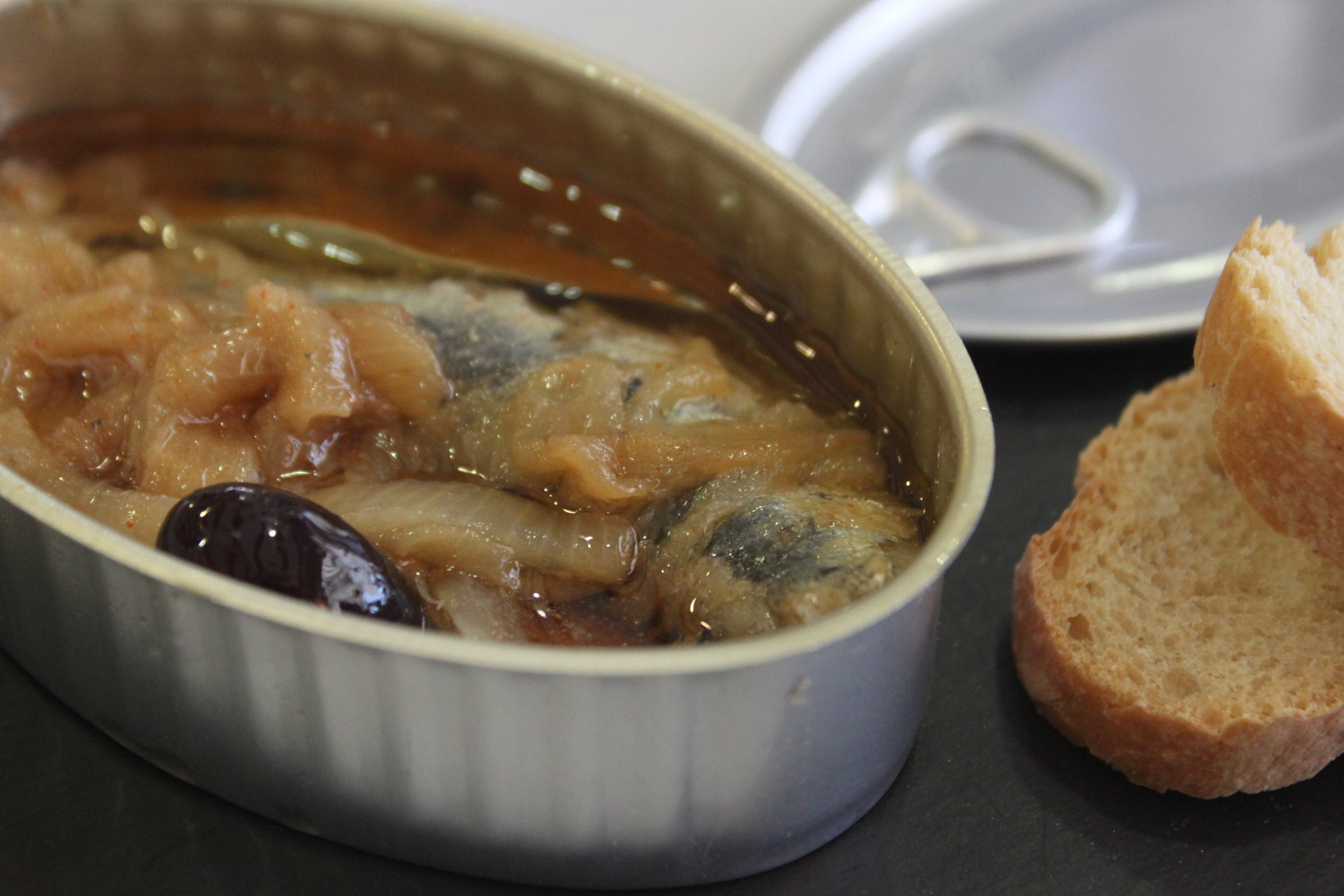
El conflicte —especialment en les zones properes al front— feia difícil trobar carn, ous, sucre, fins i tot cigrons i fesols. Un dels pocs aliments que les tropes podien menjar amb certa regularitat eren les llenties, que es cuinaven bullides amb aigua i, si hi havia sort, amb alguna ceba. Les arengades salades, les sardines enllaunades provinents de Galícia, Noruega i Tailàndia (!), les sopes d’all —fetes amb restes de pa dur, aigua, oli i pebrot— i, de tant en tant, la xocolata, completaven la dieta que els havia de donar forces per lluitar en el camp de batalla.

Ara, més de setanta-cinc anys després de la Guerra i amb aquest substrat culinari com a punt de partida, el Ricard Vidal —cap de sala del Restaurant Miravall de Batea, a la comarca de la Terra Alta— i l’empresa Terra Enllà —especialitzada en el guiatge pels espais històrics de la Batalla de l’Ebre— han creat un ‘menú de guerra’ que combina l’arqueologia gastronòmica, la cuina d’autor, l’aposta pels productes de proximitat i certa voluntat didàctica.
El menú comença amb una crema freda, inspirada amb les sopes d’all. Una mica de pa sec, sobrassada, maçana i encenalls de formatge… i la destresa del Ricard Vidal que s’apropa a la taula per explicar als comensals el perquè de cada ingredient. De segon una curiosa llauna de sardina escabetxada acompanyada d’herbes aromàtiques i olives negres. L’àpat continua amb un plat de truita en suc, condimentada amb patata, una salsa farinosa i una mica de cansalada. I per tancar el menú: ranxo de porc, amb més carn que llegums, just a l’inrevés del que devia passar en època de penúries. L’oferta es completa amb unes postres de xocolata, un dolç preuadíssim entre els soldats, especialment entre els voluntaris de les brigades internacionals.

El restaurant Miravall  de Batea i l’empresa Terra Enllà han creat un ‘menú de guerra’ que combina l’arqueologia gastronòmica, la cuina d’autor, l’aposta pels productes de proximitat i certa voluntat didàctica.

L’oli i els vins locals acaben de donar el toc genuïnament terraltí a la menjada. La major part de plats s’acompanyen de l’Az-Azeytun, un oli d’oliva verge extra 100% arbequí, afruitat i elaborat a Batea. Pel que fa als vins, la proposta de maridatge inclou dos caldos: per als plats més suaus, el Petit Almodí [Celler Altavins, DO Terra Alta], un negre jove, fresc, fet amb garnatxa, Syrah i Merlot, varietats que potencien les aromes de fruita vermella i espècies. En canvi, per al ranxo de porc —més contundent— un Naturalis Mer negre [Celler Cooperatiu de Batea, DO Terra Alta], que forma part d’una línia de vins ecològics de garnatxa negra i cabernet sauvignon, amb tres mesos de criança en bótes de roure francès.

PS: El menú forma part de la ruta El secret dels brigadistes de l’empresa Terra Enllà, un recorregut guiat per la serra de Pàndols —escenari dels enfrontaments més cruents de la batalla de l’Ebre— on s’amaga un monument erigit l’estiu de 1938 per les Brigades Internacionals en memòria dels soldats morts en batalla.
Botànic, un periple gastronòmic del mediterrani al Japó

RESTAURANT BOTÀNIC, TORTOSA.

Si fóssim a Barcelona diríem allò de ‘volta al món i torna al Born’. A Tortosa no tenim una frase feta equiparable, però l’expressió va bé per definir la trajectòria del xef lleidatà Carles Barberà, que fa vint-cinc anys va obrir el restaurant Julivert —un històric a la capital del Baix Ebre— en l’atzucac que queda una mica més amunt de l’antic cinema Fèmina, a l’eixample tortosí. Ara, després d’un periple per diversos restaurants, ha tornat en aquell mateix local, ocupat des de fa dos anys pel Botànic.

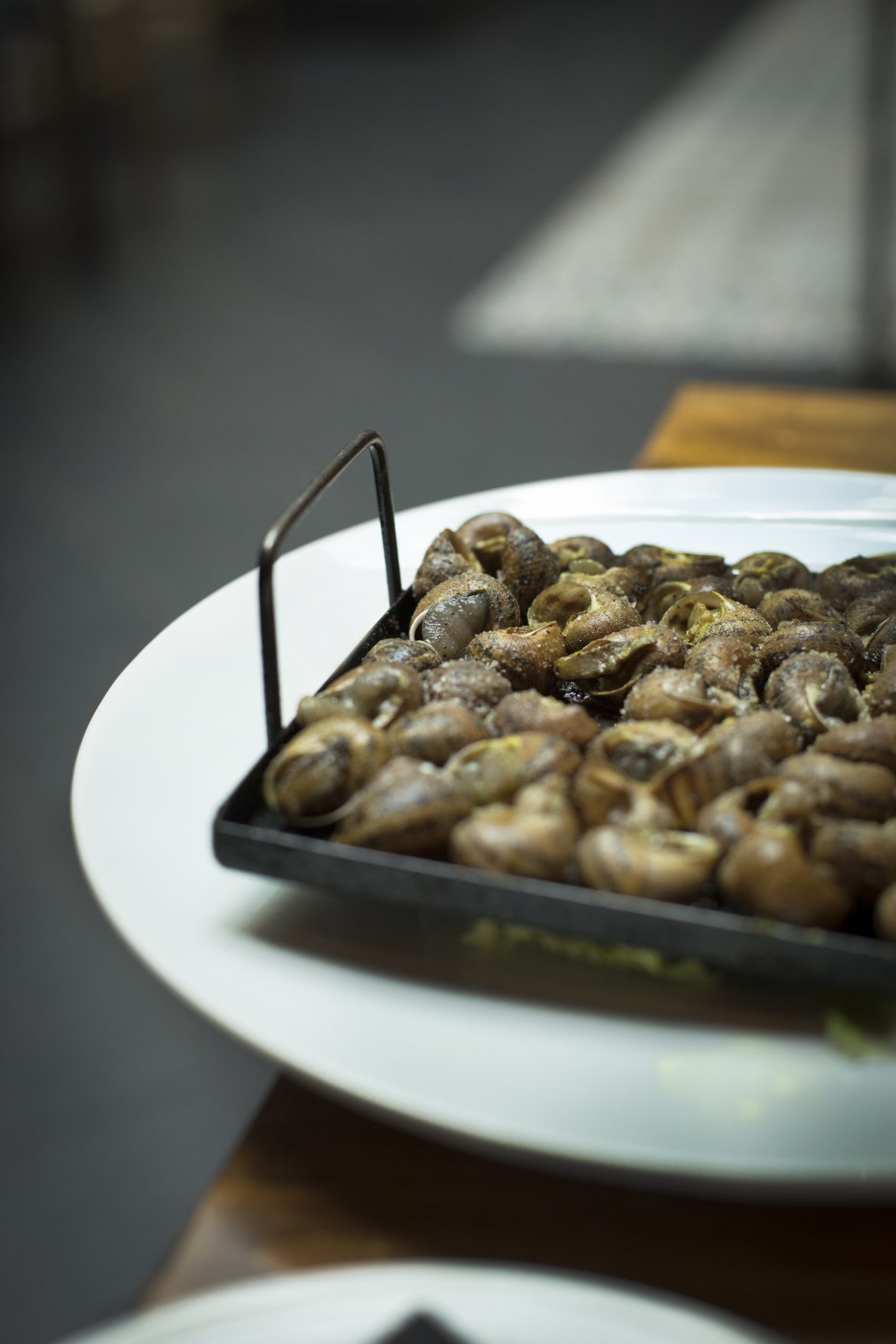
Amb la nova direcció de cuina, Jordi Mauri i Xavi Galiana —els dos joves propietaris del restaurant— han pres una decisió encertada. Perquè des que el Carles és al capdavant dels seus fogons, el restaurant ha fet un salt gastronòmic amb una carta gens ostentosa —més aviat de vocació popular— però refinada: raviolis farcits amb crema de llamàntol i salsa marinera de gamba roja, caragols a la llauna salpebrats amb aquella destresa que només tenen els nascuts a la terra ferma o pastís de foie mi-cuit amb poma i recobert d’una capa caramel·litzada que li aporta una textura cruixent sense ser farragosa, a la vegada que potencia el punt subtil i deliciosament amargant del fetge.

“El sushi és també a la punta de llança d’una carta que sap combinar els plats de la cuina mediterrània amb l’emergent influència de la gastronomia nipona”

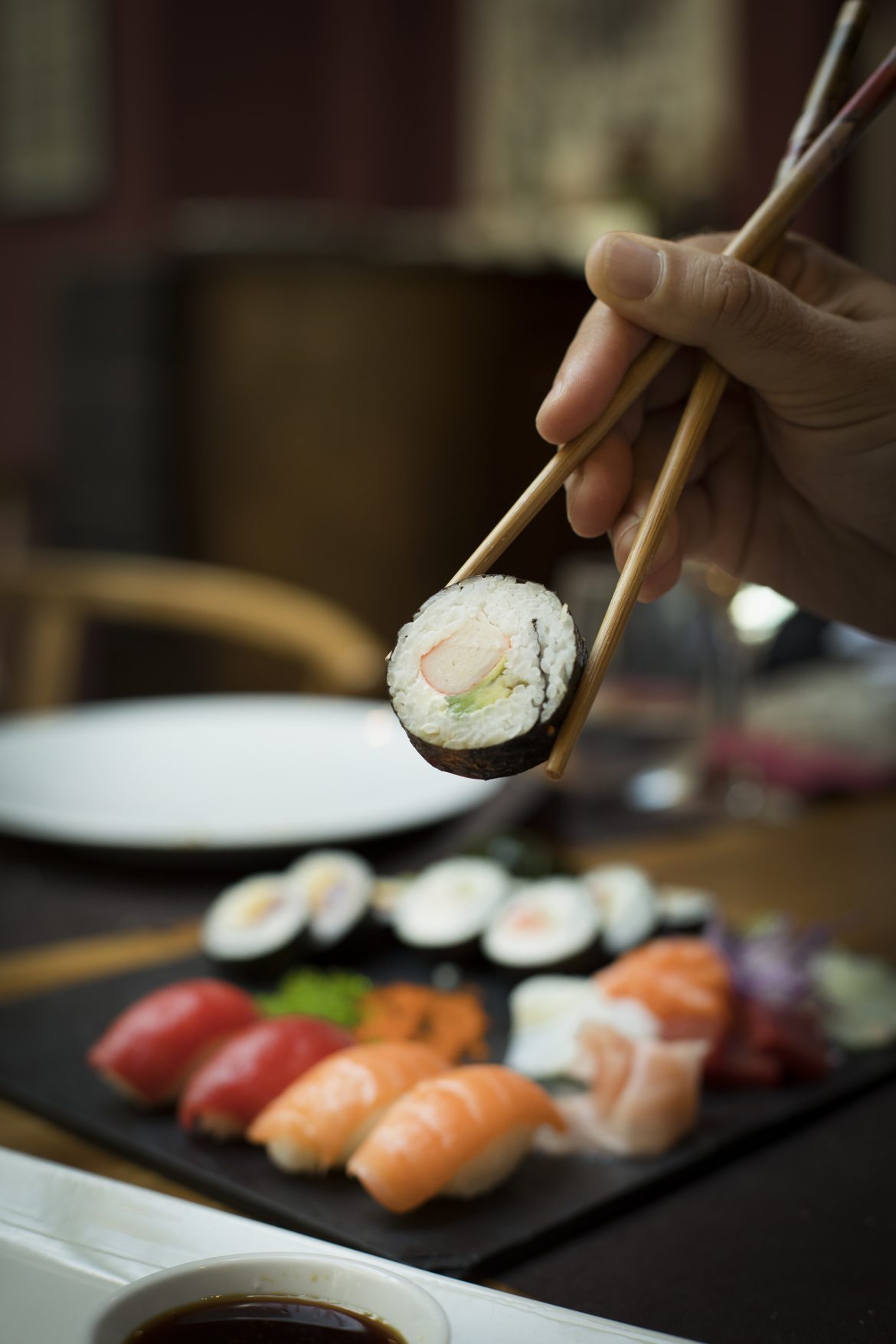
El Botànic també ha esdevingut un dels millors locals de la ciutat per gaudir de la cuina japonesa. El tataki de tonyina roja Balfegó —excel·lent matèria primera— amb llavors torrades de sèsam és un plat saborós de preparació relativament senzilla, però que requereix de l’habilitat per marcar els daus a la paella sense que perdin el sabor i la textura del peix cru. El sushi elaborat amb arròs glutinós, de gra curt i rodó i acompanyat de tonyina, bacallà i salmó és també a la punta de llança d’una carta que sap combinar els plats de la cuina mediterrània amb l’emergent influència de la gastronomia nipona.

El local, però, també és singular per la seva posada en escena: un espai diàfan, amb un reservat a la zona de l’altell, lluminós i que ha pensat bé l’interiorisme amb tocs industrials i elements de l’arquitectura zen. Entre el personal, a més, s’hi reconeixen treballadors d’un altre històric de la ciutat, el restaurant Rosa Pinyol, que va tancar ara deu fer deu anys. Un cúmul d’experiència en un equip de cuina i sala que garanteix menjar de gust i sentir-se ben servit.

Per saber-ne més: C/ Teodor González, 38. Tortosa. // Tel. 977 44 52 56 // www.botanictortosa.com  // Article publicat originàriament a la revista L’ESTEL amb fotografies de Josep Piñol.

Southern Stars, the hiker’s constellation

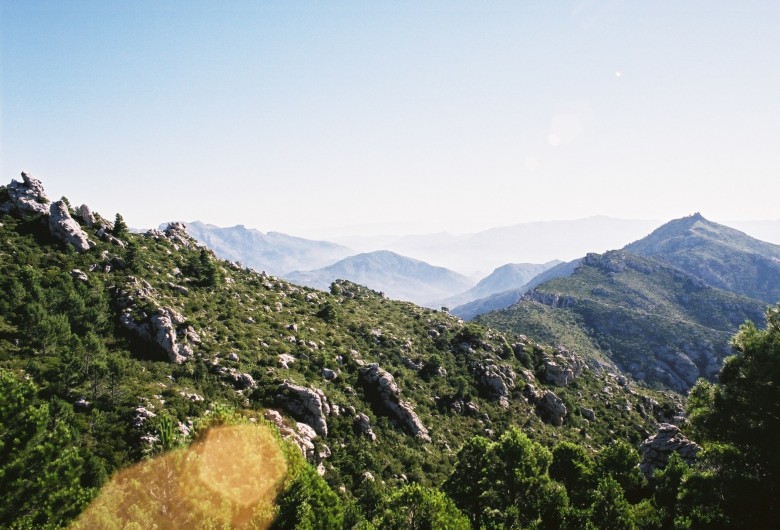
The hiking route ‘Southern Stars’  [called ‘Estels del sud’ in Catalan] crosses the Natural Park of ‘Els Ports’, located in a mountain range right at the meeting point between the regions of Catalonia, Valencia and Aragon. Over five days, the route passes through the picturesque villages of Paüls, Arnes and Beseït. This is a great walking route to explore the full range of human and natural landscapes, some of which inspired one of the most innovative painters of the twentieth century, Pablo Picasso.  

Estels del Sud

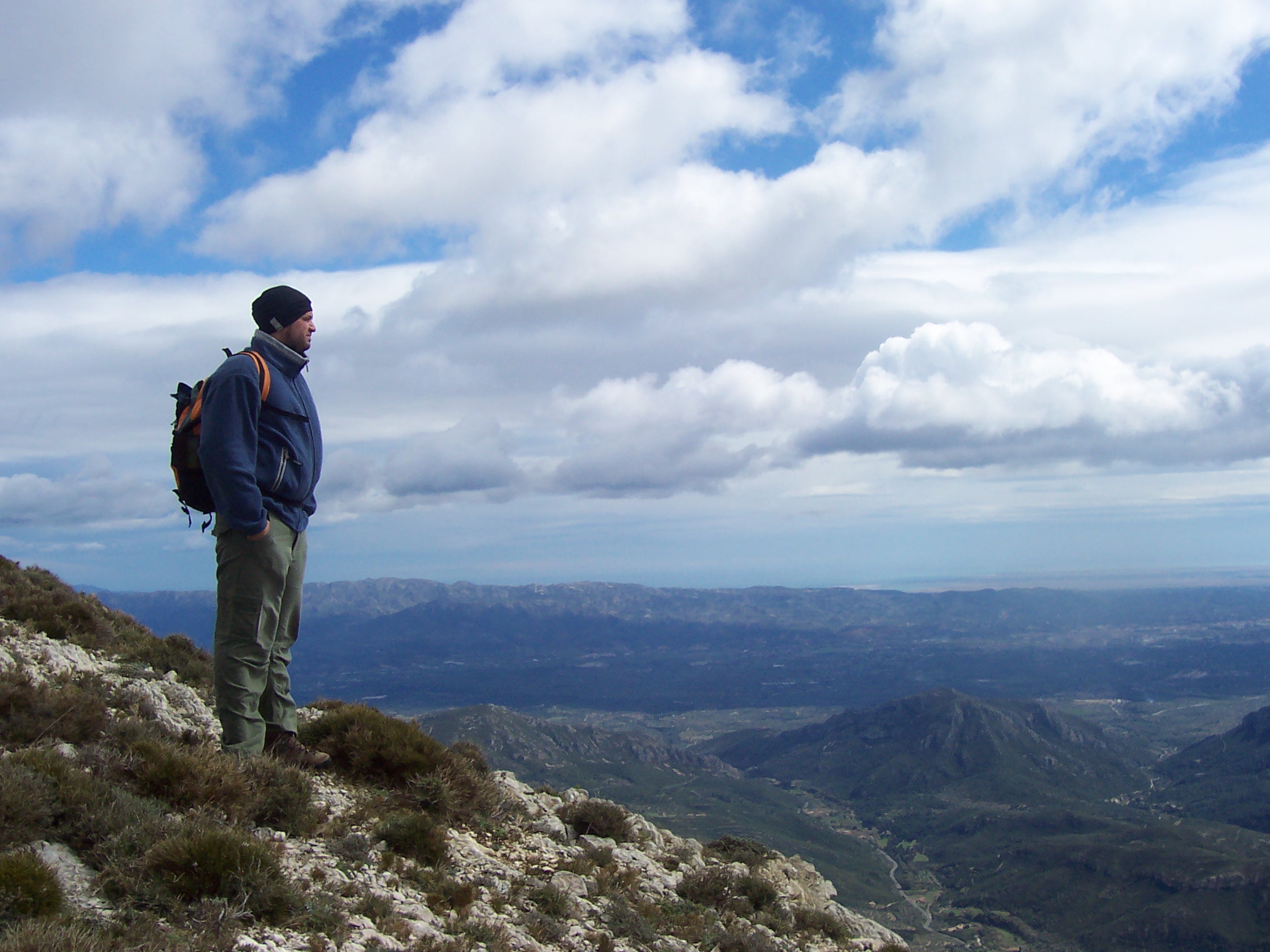
“We marked five points on the map following the main path that circles the mountains of the natural park of ‘Els Ports’. Uniting every one of them in a straight line, we saw something that reminded us of the shape of a constellation,” said Gabriel Gutiérrez, who runs the Font Ferrera mountain refuge. Ten years ago, those sketches on paper gave the name to the hiking project Estels del Sud [Southern Stars]. Southern, because although shorter sections of the route are in the Matarranya (east Aragon) and the Maestrat (north Valencia) areas, the longest part crosses southern Catalonia. The full route took us five days walking twenty kilometres per section on average; maybe hard if you are a not used to walking at all, but quite easy for non-professional hikers who just want to enjoy natural areas. But what makes this route unique is the very different kind of spaces you pass through: beech woods, pine and oak forests, green meadows, bare mountains and deep ravines furrowed by little rivers. “But beyond the natural interest, Estels del Sud helps to discover small mountain villages and its people,” added Gutiérrez.

First stage: Mont-Caro Refuge – Paüls // The circular route can be started at any of the five stages and walked in both directions. So on our first day we decided to walk from the highest point of the mountain range —the Mont-Caro peak (1447m) — towards Paüls, in an anticlockwise direction. We reached the village after passing Les Foies, Les Rases del Maraco and El Coll de l’Espina. Just after the Sant Roc forest, we got our first glimpse of the houses at the centre of a natural amphitheatre enclosed by the foothills of the mountain. It is interesting to climb to the top of the village, where there are the remains of the medieval castle and the old church with a high viewpoint that embraces the entire valley.

Estels del Sud_2

Second stage: Paüls-Arnes // Between Paüls and Arnes the track passes near les Roques d’en Benet (1016m), an impressive compact group of sheer rocky outcrops. It was easy to see vultures flying over our heads and Iberian wild goats —strong mountain animals with large and curved horns— climbing the cliffs. More than one hundred years ago, this area located near the village of Horta de Sant Joan, inspired the avant-garde painter Pablo Picasso to create cubist pictures. At the end of the stage, we reached Arnes on a flat hill with its church and its Renaissance style Town Hall building. Just in front, there is a huge natural balcony looking out over les Roques d’en Benet from the distance, one of the most photographed landscapes in that part of the mountain range.

Third stage: Arnes-Beseït // On the third day, the dense forests of el Coll de la Creu, La Roca Grossa and the Algars contrasted with the bare, dry and windy summit of Roca Galera, a bow-shaped plateau overlooking Terra Alta and Matarraya counties. Near the houses of Beseït, we crossed the river Ulldemó and we saw the bell tower of the Sant Bartomeu church which guided us to the little town centre, the last village we would past through during our trip.

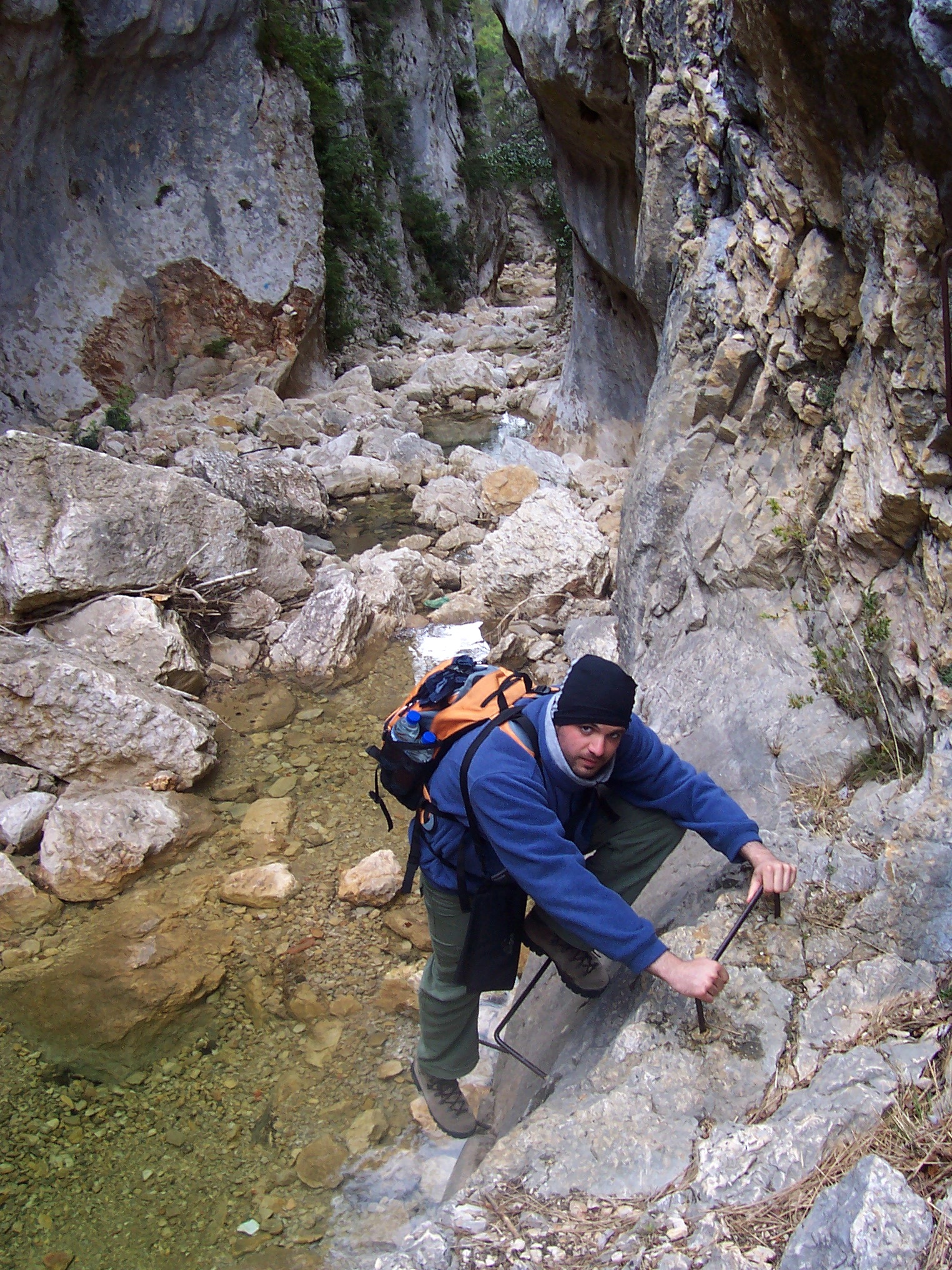
Estels del Sud ParrisalFourth stage: Beseït-Font Ferrera Refuge // If you like swimming this is an enjoyable section to walk. June and July are the best months to swim in the Matarranya, the river that has shaped the rugged rocky landscape between Beseït and Font Ferrera. After a cooling dip we walked through the gorges with footbridges attached to the rocky walls. Going in to the canyon known as Gúbies del Parrissal, the walls were so impressive and vertical that we could only see a narrow line of sky above us. Technically, this was one of the most complex parts of the route.

Fifth stage: Font Ferrera Refuge – Caro Refuge// The stage remaining —which ends not far from the Mont-Caro peak— is a little bit gentler. The climb to the Coll dels Pallers was quite hard, but worth it to enjoy the views of the east part of the mountain range and the Ebro river valley. From there, we just followed the last few blue stars signs painted on the rocks that had  escorted us for the previous five days.

Bannockburn, Scotland 1314

Barcelona 1714In Catalonia, the commemoration of that defeat will have a strong political signification. After that battle, Catalan institutions were abolished, Catalan language banned during public activities and people had to accept the authority of Phillip V de Bourbon, the new king of Spain. It is obvious, that it is not by chance that the Catalan autonomous government has decided to organise a referendum for the independence in 2014, just three centuries after the defeat. But in Scotland —where there will be a secession referendum this September 18th— almost no one gives political meaning to historical battles. « Contrary to Catalonia, in Scotland no one has ever denied our identity. And maybe because of that, we don’t use the history to have arguments and justify our politics”, claim Blair Jenkins, chief executive of YES Scotland pro-independence platform.

So, without the political connotation that we can find in Catalonia, in 2014 Scotland commemorates the 700th anniversary of the Battle of Bannockburn, where the king Robert the Bruce I defeated Edward II of England in a spot not far from the Stirling Castle. The victory meant the end of thirty years of English interferences in Scottish politics: Indeed in 1286, the death of Alexander II left the kingdom of Scotland without a crown prince and from that moment, the English tried to control their neighbours of the north. First William Wallace, and later Robert the Bruce I, have fought the English army. In the end, after the battle of Bannockburn, Scotland could declare its independence, even though there was no official recognition until 1320.

In the middle of the battlefield // 700 years later, the battlefield where the English and the Scottish army fought is a green landscape —without trees— close to the houses of Bannockburn village, just 2 miles from Stirling Castle. In this spot, nothing reminds us about war, except the bronze sculpture of Robert the Bruce I, set up during the 60s. Nowadays, a few meters away from the sculpture, we can find the new Battle of Bannockburn Visitor Centre that has just opened this week.

Battle of Bannockburn Visitor Centre

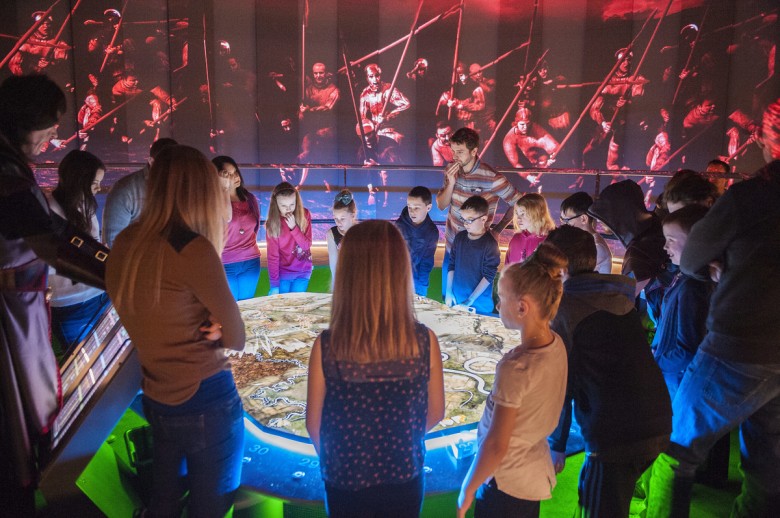
One of the most interesting attractions there is the almost 360º screen that allows the visitors to be right in the middle of the 3D recreation. « We want the visitors to feel part of the history, and even though it is a virtual battle, they can be in the fight, among knights, archers and soldiers coming out of the screen », said Scott McMaster, property manager of the visitor centre. And after being submerged in the battle, the visitors can try their skills in military tactics in an adjacent room, where a circular table recreates the landscape of the area. Each player around the table is in charge of a group of soldiers of either the English or the Scottish army (it is the guide of the museum who decides). The aim is to defeat the enemies and occupy the Stirling Castle. If at the end of this activity the visitors still need more realism, they can wait for the medieval festival organised on the last weekend of June —the actual date of the battle—when they will be able to be in a Middle Ages army camp and to walk among soldiers in the flesh. (Sapiens.cat 4/2/2014 // Photo1: Barcelona 1714 // Battle of Bannockburn Visitor Centre)

BLOG

(Tortosa, 1982). I am a journalist and because I like history, travel, food and writing, I have worked in magazines like Discover Catalonia, Sàpiens and Cuina. I posted on the ARA Newspaper and in La Vanguardia and I am the author of some documentaries for television. Whenever I can, I find an excuse to pack my bags: I try to visit Le Puy en Velay, (France), and Edinburgh (Scotland), but you’ll usually find me between Terres de l’Ebre and Barcelona. +info

Latest posts

Tags